Everyday Hand Font: Perfect for Crafters
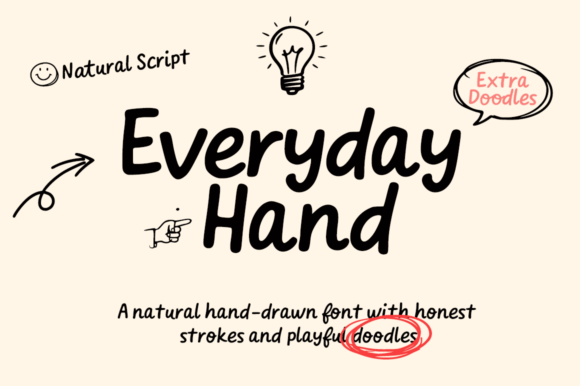
As a maker who spends countless hours designing labels, invitations, and digital printables, I know that the right typeface can make or break a product. We are not just selling an item; we are selling a feeling, a moment, and a piece of art. This is why Everyday Hand has become such a vital part of my design toolkit. It is not just another script font; it is a natural handwritten font that captures the relaxed, organic flow of real handwriting. For those of us in the handmade community, finding a font that balances aesthetic charm with commercial readability is a constant challenge. Everyday Hand solves this by offering soft strokes and a warm personality that feels authentic rather than manufactured.
The Visual Personality of Everyday Hand
When you first look at Everyday Hand, you notice its gentle approach. Unlike rigid digital scripts that can feel cold or overly perfect, this typeface embraces the imperfections of human writing. The letterforms feature soft strokes and an organic flow, creating a warm invitation to the viewer. This visual personality is crucial for crafters because it bridges the gap between professional design and personal touch. Whether you are creating a boutique label for a small-batch candle or a heartfelt wedding invitation, the font needs to convey trust and warmth.
In the world of Script Amp and premium fonts, many options lean heavily into heavy swashes or complex ligatures that can be difficult to read at smaller sizes. Everyday Hand takes a different route. It maintains the charm of a creative font while ensuring that the core structure of each letter remains clear. This makes it an excellent choice for brand identity work where consistency and recognition are key. When customers see your packaging, they should immediately recognize the care and quality behind your brand, and the typography plays a massive role in that perception.
Practical Applications for Handmade Products
The versatility of Everyday Hand shines when applied to physical products. As a seller of handmade goods, I use this font across a wide range of items. Here are some of the most effective ways to incorporate this typeface into your product line:
- Product Labels and Packaging: For candle makers, soap artisans, and skincare brands, Everyday Hand works beautifully on minimalist labels. Its legibility ensures that ingredient lists or product names are easy to read, even on small containers.
- Wedding Stationery and Invitations: The romantic yet relaxed vibe makes it ideal for wedding welcome boards, place cards, and invitation suites. It pairs well with both formal and rustic themes.
- Digital Printables and Planner Pages: If you sell digital downloads on platforms like Etsy, this font adds a personal touch to planner headers, quote prints, and journaling pages.
- Home Decor and Signs: Farmhouse signs, wooden plaques, and wall art benefit from the organic flow of the letters. It looks particularly good when cut from vinyl or wood using Cricut or Silhouette machines.
- Apparel and Tote Bags: For t-shirt designs or canvas tote bags, Everyday Hand provides a stylish, modern typography look that appeals to a broad audience.
Readability and Production Tips
One of the biggest concerns for crafters using script fonts is readability, especially when working with cutting machines or small print sizes. Everyday Hand is designed with practicality in mind, but there are best practices to ensure your final product looks professional. When using this font for small stickers or product tags, avoid scaling it down too much. The soft strokes need enough space to breathe. If you are creating SVG-style designs for cutting machines, always check the node points after converting the text to paths. This ensures that the delicate curves of the handwritten style do not get lost or jagged during the cutting process.
For printed materials like greeting cards or business cards, consider the ink coverage. Because Everyday Hand features organic flows, it may have varying stroke widths. Test prints are essential to ensure that the thinner parts of the letters do not disappear on textured paper stocks. When creating mockup previews for your online shop, use high-resolution images that highlight the texture of the font against your material. This helps customers visualize the quality of the final product.
Font Pairing Strategies for Brand Consistency
To maximize the impact of Everyday Hand, thoughtful font pairing is essential. A common mistake is pairing two decorative fonts, which can create visual clutter. Instead, balance the expressive nature of this handwritten font with a clean, structured counterpart. Here are some effective combinations:
- With a Clean Sans Serif Font: Pairing Everyday Hand with a simple sans serif font creates a modern, balanced look. Use the script for titles or key phrases and the sans serif for body text or detailed information. This is perfect for packaging design where you need to display both branding and product details.
- With a Simple Serif Font: For a more traditional or elegant feel, combine Everyday Hand with a classic serif font. This works wonderfully for wedding invitations and high-end boutique tags, adding a touch of sophistication without losing the personal touch.
- With a Bold Display Font: If you are creating social media graphics or sale signs, pair Everyday Hand with a bold display font for contrast. The script adds warmth, while the bold font grabs attention.
These pairings help maintain brand consistency across different mediums, from web design to physical merchandise. By establishing a consistent typographic hierarchy, you strengthen your brand identity and make your designs more memorable.
Commercial Licensing and Professional Use
For small business owners and commercial craft sellers, understanding licensing is critical. Everyday Hand is a commercial font, which means it is licensed for use in projects that generate revenue. This includes selling physical products like mugs, shirts, and labels, as well as digital downloads and templates. However, it is always important to review the specific license terms included with the font file. Most premium fonts allow for unlimited physical sales but may have restrictions on embedding the font file itself in editable templates or software.
When using Everyday Hand for client work, such as logo design or custom packaging design, ensure that your client understands the licensing scope. If you are creating a brand identity package, the font becomes a core asset in their visual library. Using a high-quality, legally licensed font protects both you and your client from copyright issues and ensures that the brand assets are professional and secure.
In conclusion, Everyday Hand is more than just a typeface; it is a tool that enhances the emotional appeal of your creations. Its natural, hand-drawn aesthetic brings warmth and authenticity to every project, from simple stickers to elaborate wedding suites. By understanding its visual personality, applying it thoughtfully to various products, and pairing it wisely with other fonts, you can elevate your craft business and connect more deeply with your customers. Whether you are a seasoned designer or a hobbyist just starting out, this font offers the perfect blend of beauty and functionality for your creative journey.